
The Post-Vacation Paradox: Why Your Nervous System Thrives in the Sand (and How to Bring It Home)
I am getting settled back into my work at reSpark KC after a week of Florida sand, surf, and sun. Looking back at the photos of the ocean tides and vibrant sunsets, I felt a familiar question creep in—one I hear from many of my coaching clients:
“Why do I have to fly a thousand miles away just to unplug and feel like a human being?”
We’ve all experienced the post-vacation paradox. On the beach, you fall asleep effortlessly. Your digestion improves. Your shoulders drop three inches away from your ears. You have patience, clarity, and a sense of joy.
Then, within 48 hours of returning to the office, the email inbox explodes, the schedule fills up, and that hard-won peace vanishes. Suddenly, we are right back to "living for the weekends" or counting down the days until our next week off.
But from a strategic and biophysical standpoint, vacation shouldn't be your only emergency escape hatch from burnout. It should be a blueprint for how you live your everyday life.
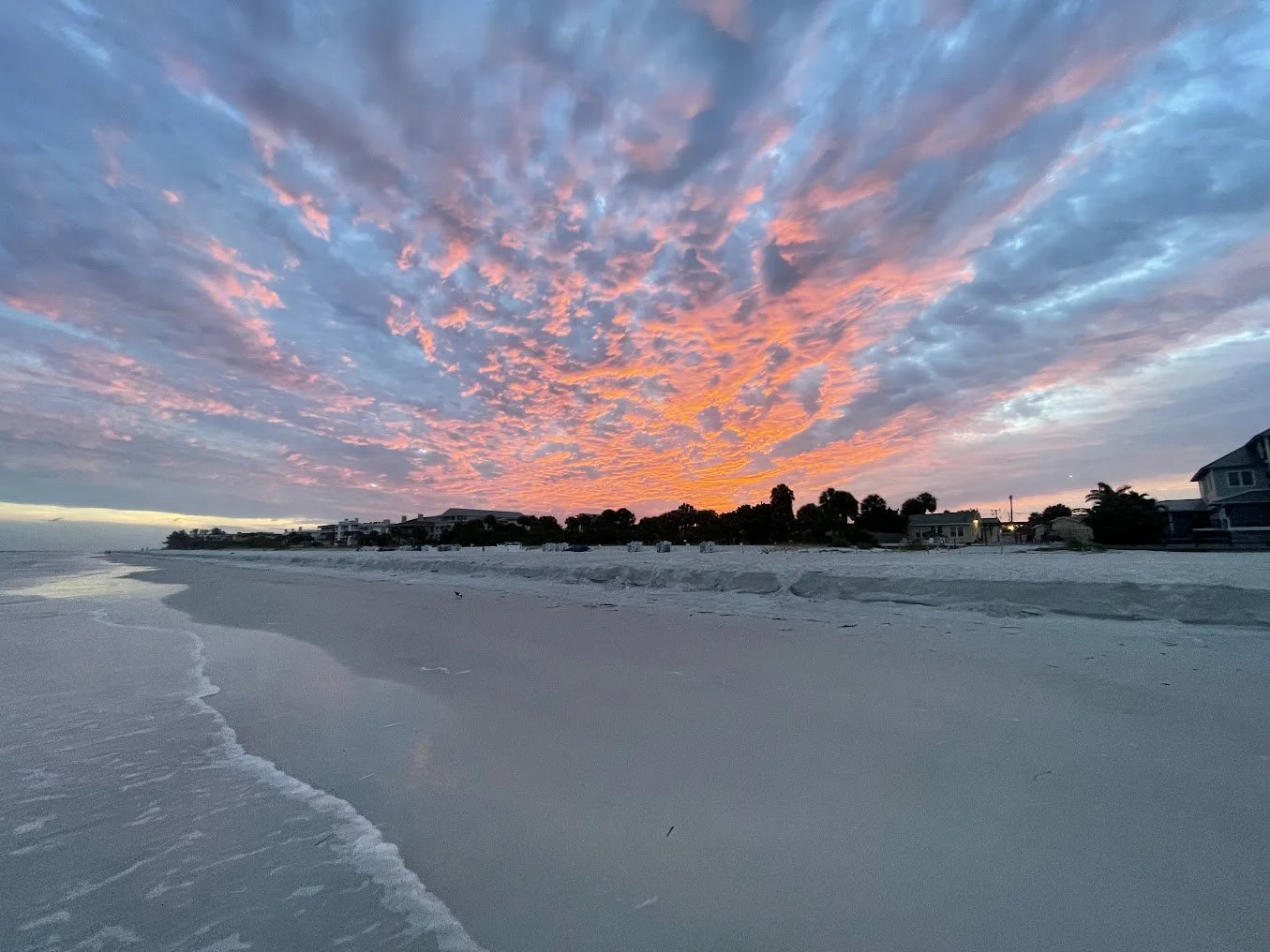
Waking up early for a walk on the beach has its perks. Photo taken in Indian Rocks Beach, FL.
The Science of the "Beach Reset"
To understand how to keep the vacation feeling alive, we have to look at what actually happens to your body when you step away.
In our day-to-day corporate or high-stress environments, most of us operate in a state of sympathetic dominance—better known as fight-or-flight. Your brain perceives endless emails, tight deadlines, and constant task-switching as literal threats, pumping your system full of adrenaline and cortisol.
When you go on vacation, those external stressors drop, allowing your body to switch into parasympathetic alignment (rest-and-digest).
Furthermore, nature acts as its own macro-level tuning fork. The rhythmic, predictable sound of ocean waves slows your brain waves down. Walking barefoot in the sand physically grounds your body's electrical charge. The expansive horizon relaxes your visual system. Your biofield shifts from chaotic and jagged to smooth and harmonious.
You don't feel better on vacation simply because you aren’t working; you feel better because your nervous system finally feels safe.
Your Energy Architecture Needs Attention
If your current operational strategy is to run on empty for 51 weeks a year just to "break even" during a one-week vacation, your personal infrastructure is headed for bankruptcy. That is a deficit-based model that treats your body like an over-utilized asset with zero maintenance budget.
In the business world, we understand that ignoring equipment depreciation leads to catastrophic systemic failure. Yet, we treat our own nervous systems as if they have infinite bandwidth. Chronic stress, constant task-switching, and emotional over-extension act as massive overhead costs that drain your strategic reserves. When your energy architecture is built entirely on deficit spending, it inevitably triggers a forced shutdown: chronic burnout, executive dysfunction, brain fog, and physical illness.
To break the toxic cycle of living for the weekends (or the next plane ticket), we have to shift from a mindset of crisis management to proactive asset management. We have to stop treating rest as a luxury reward we have to earn at the end of a grueling quarter, and start treating it as the baseline operational fuel required to perform at all.
We need to stop waiting for the emergency escape hatch and start building "micro-vacations" directly into our average Tuesdays.
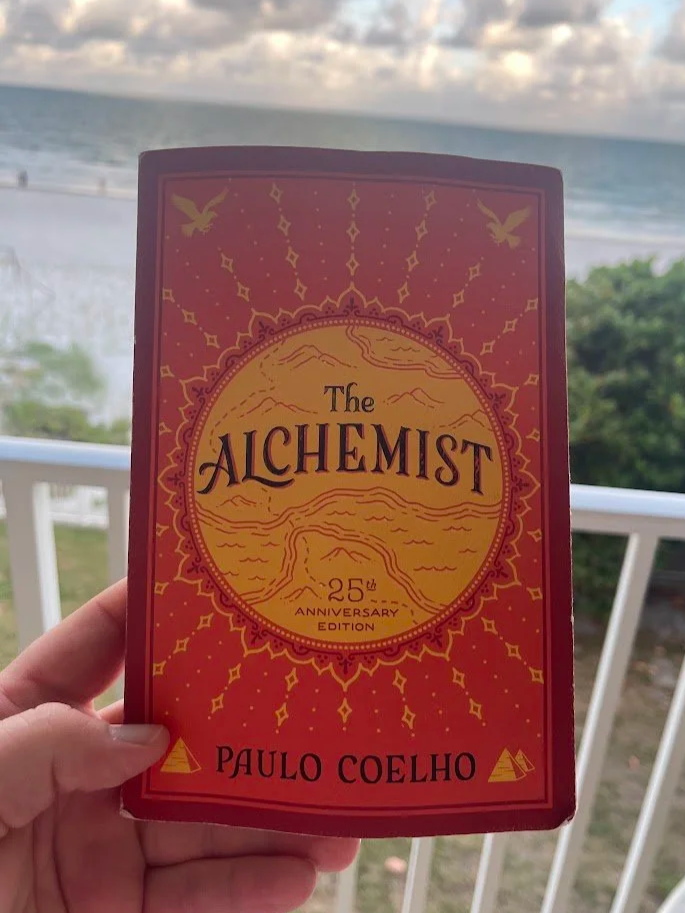
Same book, entirely different perspective. Stay tuned to my YouTube, Facebook, and LinkedIn pages as I unpack fresh insights on finding your 'Personal Legend' without burning out.
📖 A Quick Sidebar on Shifting Perspectives...
To give you a real-world example of how a regulated nervous system completely changes your perspective, look at the photo above. While I was sitting on that balcony in Florida, I did a deliberate re-read of Paulo Coelho’s classic, The Alchemist—a book I hadn't picked up since sitting on a beach in Maui seven years ago.
The book hasn't changed in seven years, but because my own nervous system and career path have, the insights I pulled from it this time completely blew me away.
Looking at the story through my current dual lens—as an MBA strategist and a Reiki practitioner—unlocked some powerful truths about modern corporate fatigue, toxic hustle culture, and what it actually means to find your "Personal Legend" without burning out.
I’m breaking these insights down into a brand-new, bite-sized video series starting this week! If you want a quick, daily dose of alignment and strategy, make sure you are subscribed to my social media pages, so you don't miss a single episode.
3 Daily Habits to Regulate Your Nervous System (No Plane Ticket Required)
You don’t need an ocean view to access a parasympathetic state. Here is how you can bring the core elements of vacation into your standard work week:
Practice Sensory Pacing (Recreate the Visual Ocean)
On the beach, your eyes naturally rest on wide, open spaces, which triggers a biological relaxation response. At your desk, your eyes are locked onto a bright box 18 inches from your face, which signals alertness and anxiety to the brain.
The Daily Habit: Implement the 20-20-20 rule. Every 20 minutes, look at something at least 20 feet away for 20 seconds. Better yet, step outside at sunset, dim your overhead office lights, and let your eyes rest. Give your brain a break from sensory bombardment.
Implement Strategic Unplugging Blocks
The greatest luxury of vacation is the "Out of Office" auto-responder. It creates a hard boundary that protects your time. You don’t have to wait for vacation to claim that boundary.
The Daily Habit: Block out two 30-minute windows during your workday where your email is closed and your phone is on Do Not Disturb. Use this time for deep, focused work or a quiet screen-free breather. Prove to your nervous system that the world will not fall apart if you are unreachable for a brief moment.
Move Into Somatic Grounding
Vacation naturally gets us back into our bodies through swimming, walking, and moving without a rigid schedule. At home, we tend to live entirely from the neck up.
The Daily Habit: When you feel your anxiety spiking at your desk, pause. Put both feet flat on the floor. Take three slow, deep exhales, making the exhale longer than the inhale. Roll your shoulders. This simple somatic check-in manually overrides the fight-or-flight response and pulls you back into the present moment.
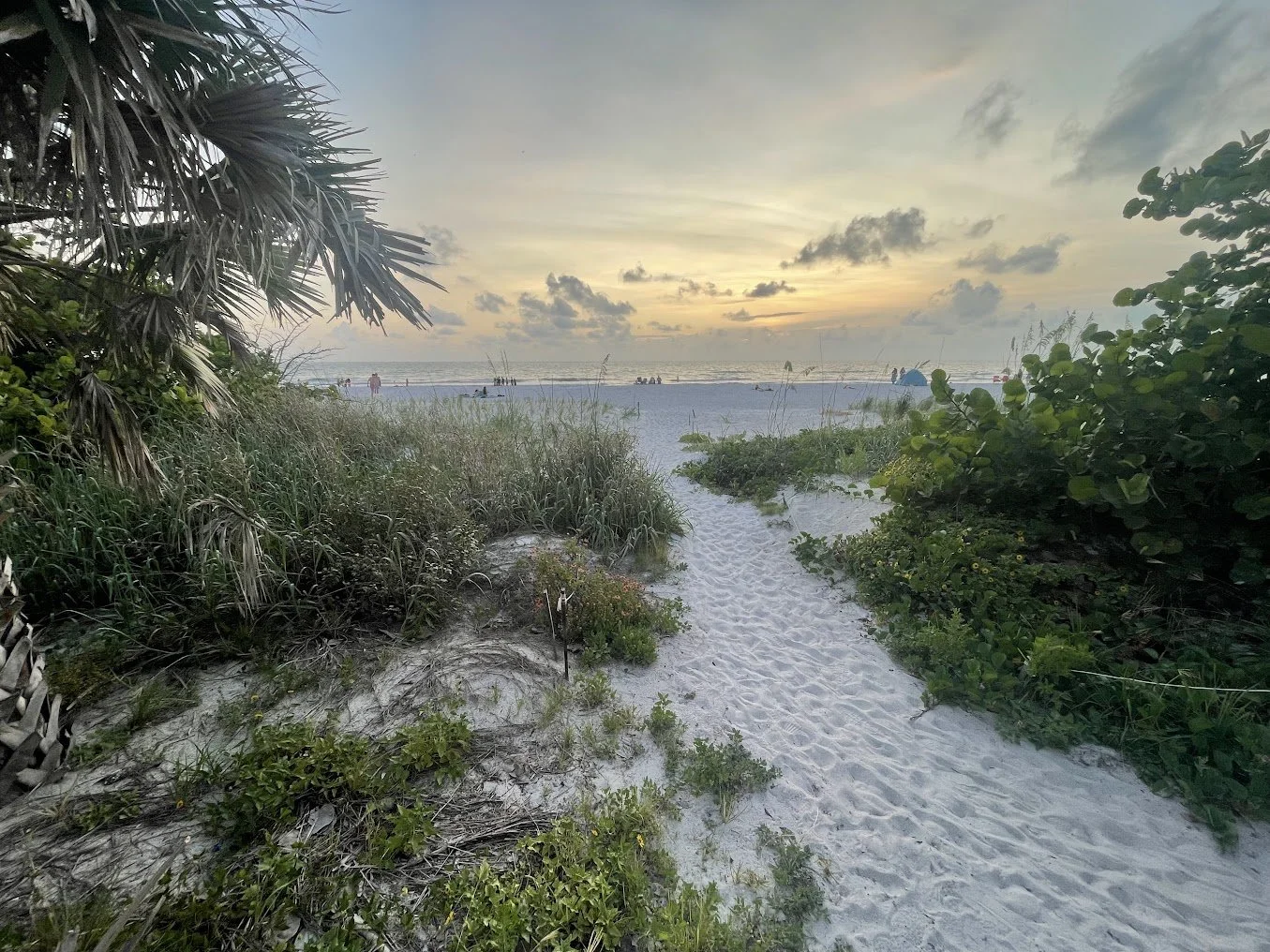
The path to a regulated nervous system doesn't have to end where the sand stops. True resilience is about building sustainable pathways to peace right inside our daily routines.
Bring the Alignment Home
Escaping your life shouldn’t be the only way to enjoy it. The goal of burnout recovery isn't to build a life you constantly need a vacation from—it’s to cultivate an internal state of resilience that stays steady, no matter how chaotic the external world gets.
Whether you’re overdue for a vacation or just returning from a trip and already feeling the heavy weight of the daily grind pulling you under, let’s reSpark your approach. I blend Resilience Coaching and restorative Reiki treatments to harmonize your energy, build logical strategic boundaries, and get your nervous system back on your side.
You deserve to feel balanced on an average Thursday afternoon, not just on a beach in Florida.
Click below to book a session at reSpark KC, and let’s start building your sustainable path forward.